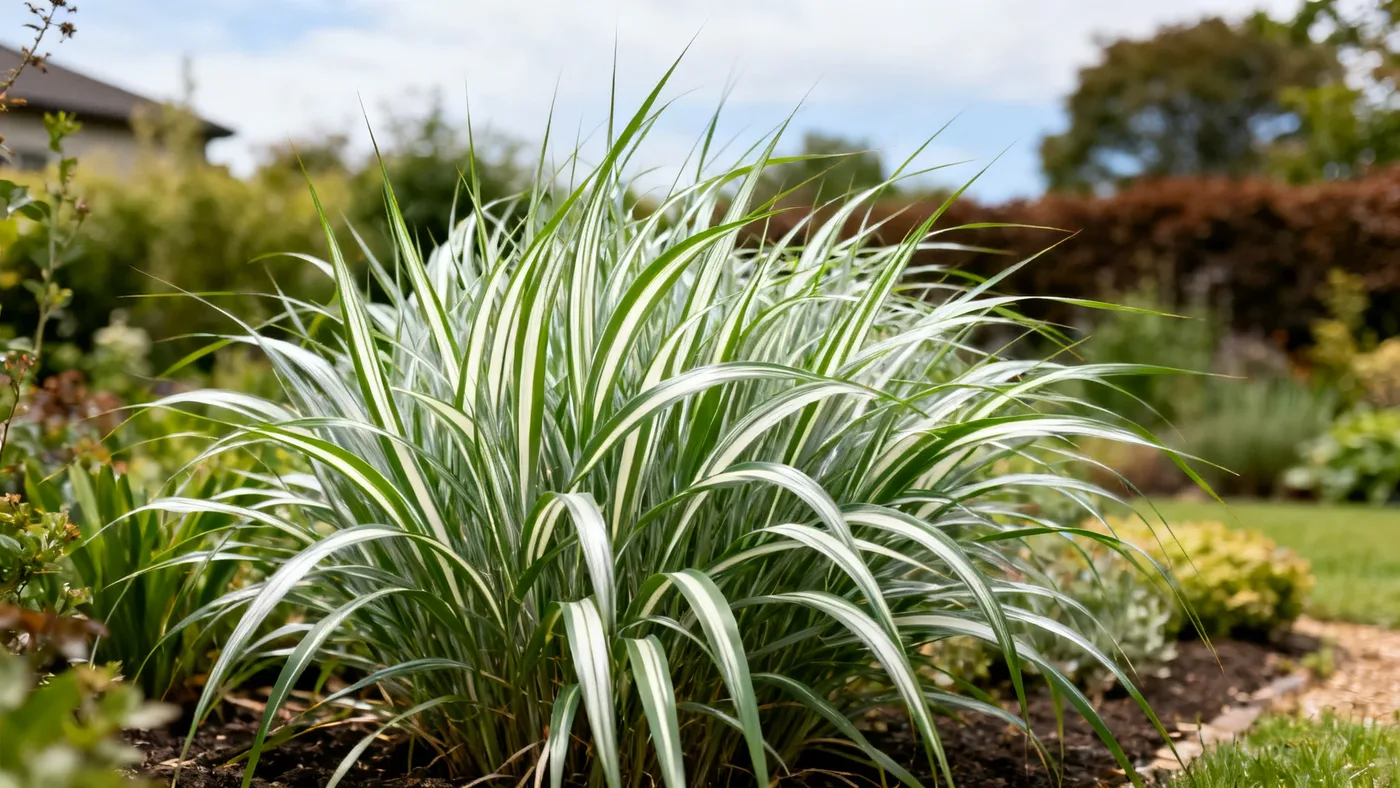
Winter Care for Silver Feather Grass: Should You Cut It Back?
Silver Feather Grass brings structure and movement to the winter garden in a way few plants can match. While many gardeners instinctively want to tidy up their ornamental grasses before cold weather arrives, this impulse often conflicts with what your grass actually needs to thrive. Understanding the right timing and technique for winter care protects your plant, preserves its beauty through the cold season, and sets it up for strong spring regrowth.
Understanding Winter Hardiness in Your Zone
Silver Feather Grass is hardy in USDA zones 5 through 9, which means it can survive the winter dormancy in most of these regions without winter protection beyond what it provides for itself. The plant's foliage naturally dries and hardens as temperatures drop, creating a protective barrier around the central clump. This natural armor is one reason leaving the plant standing through winter is often the best strategy for both plant survival and garden aesthetics.
In zones 5 and 6, where winter temperatures can dip well below freezing, the standing dry foliage acts as insulation around the crown of the plant where new shoots will emerge in spring. In warmer zones (8 and 9), the foliage persists longer and may retain some green color before fading to gold and tan. Regardless of your zone, the plant's natural winter dormancy is a sign that it is shifting into a survival-mode physiology, not a time when it needs intervention.
Should You Cut Back Your Silver Feather Grass?
The short answer: not yet. The long answer is more nuanced and depends on the calendar, not on how the plant looks.
Your instinct to clean up the browning foliage in fall is understandable, but cutting back too early removes the plant's insulation and exposes it to frost and freeze damage. Premature cutting also removes the winter interest that makes Silver Feather Grass valuable in the cold months. Those silvery plumes catch light on even the grayest winter days, and the tall, arching tan foliage provides structure when most of the garden has collapsed to bare ground.
The safest and most practical approach is to leave the plant standing through fall and winter, then cut it back hard in late winter or early spring, just before new growth emerges. This timing protects the crown and allows you to remove all the dead material at once, making room for vigorous spring shoots.
When to Cut Back: The Critical Timing Window
Late winter to early spring is the right moment to prune Silver Feather Grass. This typically means cutting back any time from late February through early April, depending on your zone. In zones 5 and 6, aim for late February or early March. In zones 7 to 9, mid-March to early April is ideal. The key indicator is that new green shoots should not yet be visible at the base of the clump. If you see fresh growth beginning, you are cutting at exactly the right time. If the plant has already sent up shoots 2 to 3 inches tall, you've waited slightly too long, but cutting then is still better than leaving dead material standing into late spring.
Waiting until late winter ensures maximum protection of the crown during the coldest months. It also means you will not accidentally damage tender new shoots by cutting or disrupting the soil around them.
Materials You Will Need
- Sharp hedge shears or hedge trimmer (manual or battery-powered)
- Work gloves, ideally leather or heavy-duty fabric (grass blades can cut skin)
- Tall, sturdy trash bags or a tarp for gathering clippings
- Pruning saw (optional, only if stems are very thick or matted)
- Safety glasses (optional but recommended)
Do not use a weed whacker or string trimmer. The random cutting height will leave uneven stubs that look ragged and may not remove enough dead material to allow new shoots to emerge cleanly.
How to Cut Back Your Silver Feather Grass: Step-by-Step
Step 1: Assess the plant and plan your approach. Stand back and look at the full clump. Silver Feather Grass typically grows 3 to 4 feet tall in foliage, with plumes rising 2 to 4 feet above that, for a total mature height of 6 to 8 feet including flowers. By late winter, all of this will be brown and dry, and some may be bent or flattened by snow. This is normal. You are going to cut all of it down to approximately 4 to 6 inches from the ground.
Step 2: Put on heavy gloves. Grass blades, especially those of ornamental species, have fine silica bodies that are surprisingly sharp. Leather gloves or thick nitrile-coated gloves protect your hands from cuts and the irritant effect of repeated contact with dried grass.
Step 3: Cut the foliage down to 4 to 6 inches. Using hedge shears, work around the clump in sections. Make horizontal cuts about 4 to 6 inches above ground level. You do not need to cut individual blades. Aim to remove the bulk of the standing material in a few passes. Do not cut below 4 inches, as you may damage new shoot buds that are developing at the crown just below the soil surface.
Step 4: Gather and remove clippings. Pile the cut material onto a tarp or into tall bags as you go. Once the bulk of the standing foliage is gone, gather smaller pieces by hand or sweep them up. Leaving cut grass piled on the ground around the base can trap moisture and invite rot or fungal issues near the crown.
Step 5: Step back and inspect. Once you finish, the clump should look like a low stubble about 4 to 6 inches tall. The crown should be clearly visible. Do not feel compelled to make it perfectly manicured. A little unevenness is fine.
Step 6: Watch for new growth. Within 2 to 4 weeks, you should see new shoots beginning to emerge. These fresh green blades are the signal that the plant is healthy and ready for the growing season.
Winter Protection Beyond Cutting: When It Helps
In most cases, Silver Feather Grass in its hardy zones needs no winter protection beyond being left standing until late winter. However, certain conditions may warrant extra care.
In newly planted gardens. If you planted your Silver Feather Grass this spring or early summer, it may not have had a full growing season to establish deep roots. Mulching lightly around the base with 2 to 3 inches of leaf mulch or compost in fall (before cutting back in spring) can help insulate the developing crown during its first winter. Remove this mulch in early spring before new growth begins.
In very cold microclimates. If your garden sits in a frost pocket or experiences unusually harsh zone 5 winters, leaving the plant standing through winter is even more important. Do not add heavy mulch around the crown itself, as this can trap moisture and cause rot. The standing foliage provides all the protection needed.
In wet clay soils. If your soil drains poorly and tends to stay wet in winter, avoid mulching the crown. Instead, ensure the plant sits on a slight mound so water does not pool around the base. Good drainage is more important than added insulation in these situations.
Common Mistakes to Avoid
Cutting back too early (fall). Cutting in September or October removes the plant's insulation and exposes it to frost damage. It also removes the winter color and structure when you need it most. Wait until late winter.
Cutting too short. If you cut below 3 inches, you risk severing developing buds at the crown. Aim for 4 to 6 inches as a safety margin. A slightly taller stub is better than losing the plant.
Leaving clipping piles against the base. Piled-up cut material holds moisture and can cause fungal issues or rot where it touches the crown. Remove all clippings from the immediate area around the plant.
Planting too deep or adding soil over the crown. If your Silver Feather Grass crown is buried or has soil mounded over it, the plant may rot in winter even if left standing. The crown should sit at or just slightly below ground level, not buried under mulch or soil.
Not cutting at all. While leaving the plant standing is wise, failing to cut it back by late spring means dead material will persist through the entire growing season. This interferes with new shoot emergence and looks shabby. Cut back in late winter without fail.
What to Expect After Winter and Spring Cutting
After you cut back your Silver Feather Grass in late winter, the stubble will sit dormant for 2 to 4 weeks before new growth appears. During this time, the plant is mobilizing energy reserves from its roots to push new shoots. When growth does emerge, it will be vigorous and fast. Warm-season grasses like this one gain roughly 1 to 3 feet of height per growing season once established, so your freshly cut plant will quickly fill back in and reach full size by mid to late summer.
The silvery-pink to coppery plumes will bloom in late summer into fall, roughly August through October, depending on your region. By autumn, the foliage will fade to tan and gold, and the cycle begins again.
Over time, the center of a mature Silver Feather Grass clump may begin to die out. If this happens (typically after 3 to 4 years), you can rejuvenate the plant by dividing it in early spring. This is a separate task from annual winter cutting, but it is part of long-term care for a plant that can live well over a decade with proper management.
Quick Reference: Winter Care Checklist
| Task | Timing | Details |
|---|---|---|
| Leave standing through winter | Fall through late winter | Do not cut in fall. Foliage provides insulation and winter interest. |
| Cut back to 4-6 inches | Late Feb to early April (zones 5-9) | Use hedge shears. Time it just before new growth starts. |
| Remove and dispose of clippings | Same day as cutting | Do not leave piles at the base. They trap moisture and can cause rot. |
| Watch for new growth | 2-4 weeks after cutting | Green shoots indicate the plant is healthy and responding to spring warmth. |
| Optional: add light mulch (new plants only) | Fall, if planted that season | 2-3 inches around (not touching) the crown. Remove in early spring. |
For a complete overview of Silver Feather Grass care from planting through the growing season, see our complete growing guide.