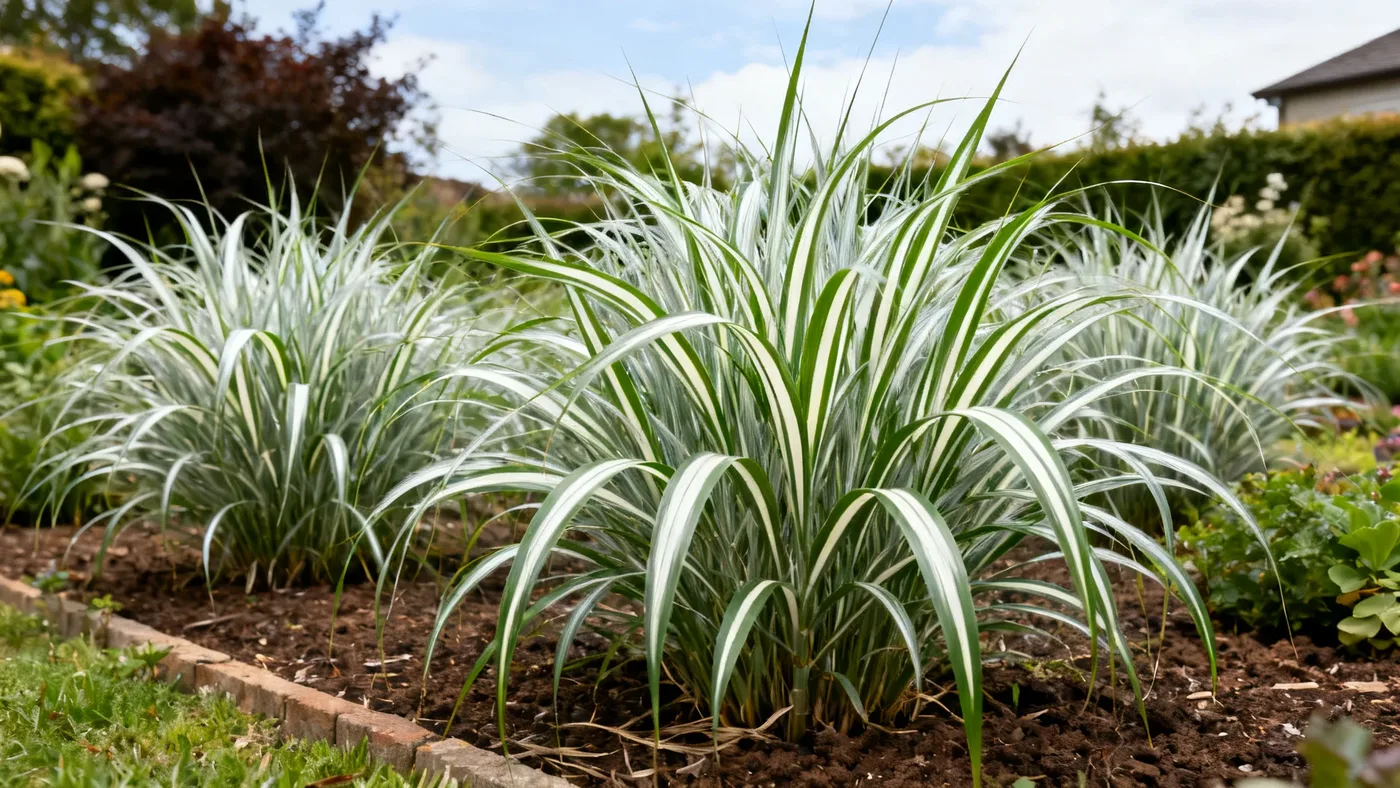
Silver Feather Grass Hardiness Zones: Where Will It Grow?
Silver Feather Grass thrives across a wide range of North American climates. This hardy perennial grows reliably in USDA hardiness zones 5 through 9, meaning gardeners from the northern Midwest to the Deep South can cultivate this striking ornamental. Understanding your zone and regional growing conditions helps you plant with confidence and set realistic expectations for establishment and bloom timing.
Zone and Cold Hardiness
What USDA hardiness zones does Silver Feather Grass tolerate?
Silver Feather Grass grows in USDA zones 5 through 9. This range extends from parts of Minnesota and Wisconsin in zone 5 all the way through zone 9 regions in the Mid-Atlantic and warmer states. The plant's cold tolerance comes from its ability to survive winter dormancy, when foliage dies back completely and the rhizome (underground rootstock) remains protected in the soil.
Is Silver Feather Grass cold hardy in zone 5?
Yes, Silver Feather Grass is fully cold hardy in zone 5, where winter lows reach minus 20 degrees Fahrenheit. The plant enters dormancy by late fall and rests underground through winter. Spring new growth emerges reliably after the last frost passes. In zone 5, the main challenge is allowing a full growing season for root establishment in year one, since the season is shorter than in warmer zones.
Can Silver Feather Grass survive zone 4 winters?
Silver Feather Grass is not winter hardy in zone 4 outdoors because the rhizome cannot reliably survive temperatures below minus 20 degrees Fahrenheit. In zone 4, you can grow this grass in a large container and move it into an unheated garage, shed, or coldframe for winter. Some gardeners in borderline zone 4/5 areas have success with heavy mulch protection (6 inches of shredded leaves or straw mounded over the crown), though this is not guaranteed.
Does Silver Feather Grass survive zone 10 heat and humidity?
Silver Feather Grass is rated only to zone 9 because prolonged zone 10 heat and humidity increase the risk of rust and leaf spot diseases. In very warm zones (10 and above), the grass may not enter full dormancy or may struggle with disease pressure. If you live in zone 10, check with your local extension service for cultivar recommendations suited to your specific climate.
Regional Planting Guidance
When should I plant Silver Feather Grass in northern zones (5 and 6)?
Plant in spring, after the last frost date in your area, to give the grass a full growing season to establish roots. A well-rooted plant is much more likely to survive the following winter. Planting in fall in zones 5 and 6 risks winter damage because the roots will not have had enough time to develop.
Can I plant Silver Feather Grass in the fall in zones 7, 8, and 9?
Yes, fall planting is possible in zones 7 through 9, where winters are milder and the ground rarely freezes hard. Plant at least 4 to 6 weeks before the first hard frost so roots can establish. Spring planting is still preferred even in warmer zones because the grass has a longer season to build strength before its first dormancy.
Does Silver Feather Grass require different care in zone 9 versus zone 5?
Zone 9 planting emphasizes drainage and disease prevention due to higher humidity and less severe frost cycles. Zone 5 emphasizes full-season root establishment and snow/mulch protection to ensure winter survival. Both zones require the same cutting-back routine in late winter, but zone 5 may need heavier mulch if snow cover is unreliable.
What if I live on a zone boundary between 4 and 5?
Calculate your exact average minimum winter temperature and compare it to the zone map. If you are firmly in zone 5, standard planting applies. If you are borderline or in zone 4, treat the grass as tender and either grow it in a large container that you move indoors for winter, or plant in a site with afternoon shade and heavy organic mulch for extra insulation. Microclimate matters: a sheltered south-facing slope is warmer than a windswept north exposure.
First-Year Growth and Establishment
How tall does a newly planted Silver Feather Grass get its first year?
First-year growth is slower than in mature years because the plant prioritizes root development. Expect the foliage clump to reach 2 to 3 feet tall by fall, with little or no flowering. The grass will gain roughly 1 to 3 feet of height per year once established, but year one is about building a strong root system rather than dramatic above-ground growth.
When will a newly planted grass produce its silvery plumes?
Most newly planted Silver Feather Grass produces few or no flower plumes in year one. Full, abundant plumes typically appear in years 2 and 3 as the plant reaches maturity. The exact timing depends on your zone: warmer zones (8 and 9) may see light flowering by late summer of year two, while cooler zones (5 and 6) usually need a full three years to achieve the peak silvery display.
How long does it take Silver Feather Grass to reach full size?
Silver Feather Grass reaches mature size and peak flowering performance in roughly 2 to 3 years under good growing conditions. At maturity, the foliage clump stands 3 to 4 feet tall, with plumes rising an additional 2 to 4 feet above the foliage for a total height of 6 to 8 feet including flowers. The width spreads to 3 to 4 feet, occasionally to 5 feet at full spread.
Should I fertilize newly planted Silver Feather Grass to speed growth?
Avoid heavy feeding in year one. Silver Feather Grass is a light feeder, and excess nitrogen can cause weak, floppy stems even in mature plants. A single balanced spring application is optional. Focus instead on consistent moisture and good drainage, which do far more for establishment than fertilizer.
Mature Plant Performance Across Zones
How does bloom time shift between zone 5 and zone 9?
Silver Feather Grass blooms in late summer into fall, typically August through October depending on region and local frost date. Zone 5 and 6 gardens usually see plumes emerge in late August or early September. Zone 8 and 9 gardens often see plumes develop in late August as well, but the longer season allows plumes to persist further into fall before being cut back.
Does mature Silver Feather Grass need winter protection in zone 5?
No special winter protection is required for established plants in zone 5. The foliage dies back naturally by fall and can be left standing for winter structure and wildlife habitat. Cut back hard to 4 to 6 inches in late winter or early spring before new growth emerges. An uncut, standing plant provides insulation for the crown.
Is Silver Feather Grass drought tolerant once established?
Yes, mature Silver Feather Grass has good drought tolerance after 2 to 3 growing seasons. Newly planted grasses need consistent moisture in year one to establish a deep root system. Once established, the grass tolerates dry spells well, making it useful for water-wise landscapes and erosion control on slopes across zones 5 through 9.
How does clay soil affect Silver Feather Grass hardiness in cold zones?
Silver Feather Grass is adaptable to clay and loam soils, which is fortunate because much of zone 5 and 6 territory has heavy clay. The key in clay is ensuring good drainage, especially in winter when waterlogged soil and freeze/thaw cycles can rot the rhizome. Amend clay at planting time with compost or peat to improve drainage without changing the overall soil character.
Winter Survival and Seasonal Care
What happens to Silver Feather Grass foliage in winter?
Foliage fades to tan or gold in autumn and remains upright through winter, creating attractive winter structure and movement in the landscape. The plumes bleach to silvery white and persist months after flowering ends. Leave the plant standing through winter rather than cutting it back immediately after flowering, as the standing foliage provides insulation and shelter for the crown and beneficial insects.
When and how should I cut back Silver Feather Grass for spring?
Cut foliage back hard to 4 to 6 inches in late winter or early spring, just before new growth emerges. In zone 5 and 6, this is typically March or early April. In zone 9, early February works. Do not cut back in fall, as winter-standing foliage protects the rhizome from frost heave and extreme cold.
Will snow cover damage Silver Feather Grass in zone 5?
Snow cover does not damage Silver Feather Grass. In fact, a consistent snow cover insulates the crown and actually improves winter survival chances. Heavy ice, which can bend and snap the stems, is less of a concern because the standing foliage is dry and flexible. After a heavy ice storm, wait for the ice to melt naturally rather than trying to knock it off.
Do I need to mulch Silver Feather Grass in cold zones?
No mulch is needed for established plants in zones 5 through 9, as the plant's standing foliage provides natural insulation. For newly planted grasses in zone 5, a light 2 to 3 inch mulch of shredded leaves applied after the ground freezes can help protect the crown through its first winter. Remove mulch in early spring before growth begins.
Soil and Site Conditions Across Zones
What soil pH does Silver Feather Grass prefer across all zones?
Silver Feather Grass is adaptable to soil pH roughly 5.5 to 7.5, which covers acidic and neutral soils found across zones 5 through 9. Most home soils fall within this range naturally. Extreme pH (below 5.5 or above 7.5) can cause nutrient availability issues, but the grass itself is not sensitive to pH outside this range.
Does Silver Feather Grass tolerate salty soils in zone zones near coastal areas?
Silver Feather Grass has moderate salt tolerance, making it suitable for some coastal zone 8 and 9 gardens. However, it is not as salt tolerant as certain other ornamental grasses. If you live near the ocean and experience regular salt spray or salty soils, test the site or consult your local extension office for recommendations on salt tolerance for your specific microclimate.
Can Silver Feather Grass grow in partial shade?
Silver Feather Grass tolerates light or part shade but performs best in full sun for the strongest upright habit and most abundant flowering across all zones. In shade, the stems may flop and bloom less reliably. Aim for at least 6 hours of direct sun daily, particularly in cooler zones where every hour of sunlight helps the plant reach its potential.
Spacing and Mass Planting by Zone
How far apart should I space Silver Feather Grass plants?
Space plants 3 to 4 feet apart for mass plantings or privacy screens. This spacing accounts for the mature width of 3 to 4 feet per plant, occasionally reaching 5 feet at full spread. Closer spacing creates faster visual impact but may lead to crowding as plants mature, while wider spacing takes longer to fill in but requires less future division.
Does spacing change between northern and southern zones?
No, use 3 to 4 foot spacing uniformly across zones 5 through 9. The mature size of the plant is consistent regardless of zone. The difference between zones is bloom timing and establishment speed, not the plant's ultimate width or height.
Common Hardiness Concerns and Troubleshooting
My Silver Feather Grass died over winter in zone 6. What went wrong?
Winter death in zone 6 usually stems from one of three causes: poor drainage that rotted the rhizome during freeze/thaw cycles, lack of root establishment in year one (planted too late the previous spring), or sitting in standing water during dormancy. Improve drainage at the site, choose a spring planting date that allows a full season of growth, and ensure the planting hole drains properly after rain.
Should I divide Silver Feather Grass to rejuvenate it in zone 5?
Yes, older plants (typically after 3 to 4 years) benefit from division in early spring as new growth emerges. Division opens up the center of the clump where growth sometimes slows and rejuvenates the plant. This practice is the same across all zones and helps prevent center dieback that can happen in older, neglected clumps.
Can I grow Silver Feather Grass in a container in zone 4?
Yes, containerized Silver Feather Grass is one way to grow this grass in zone 4. Use a large container (at least 15 to 20 gallons for the mature plant) with excellent drainage. Move the container into an unheated garage, shed, or coldframe for winter to protect it from the harshest cold. Check soil moisture occasionally during dormancy and water lightly if the soil dries completely.
Quick Reference: Silver Feather Grass Hardiness and Planting
| Zone | Winter Low | Best Planting Time | Year-1 Height | Bloom Timing | Special Considerations |
|---|---|---|---|---|---|
| 5 | -20 to -10°F | Spring, after last frost | 2-3 feet | Late August - October | Full growing season needed; avoid fall planting |
| 6 | -10 to 0°F | Spring preferred; early fall possible | 2-3 feet | Late August - October | Spring planting still recommended for best results |
| 7 | 0 to 10°F | Spring or fall (6+ weeks before frost) | 2.5-3.5 feet | August - November | Fall planting viable; ensure drainage |
| 8 | 10 to 20°F | Spring or fall | 3-4 feet | August - November | Watch for rust in humid conditions; good drainage critical |
| 9 | 20 to 30°F | Spring or fall | 3-4 feet | August - December | Humidity and disease risk highest; ensure airflow |
Learn More
For complete growing guidance on care, pruning, and troubleshooting, see the Silver Feather Grass Care: The Complete Growing Guide.