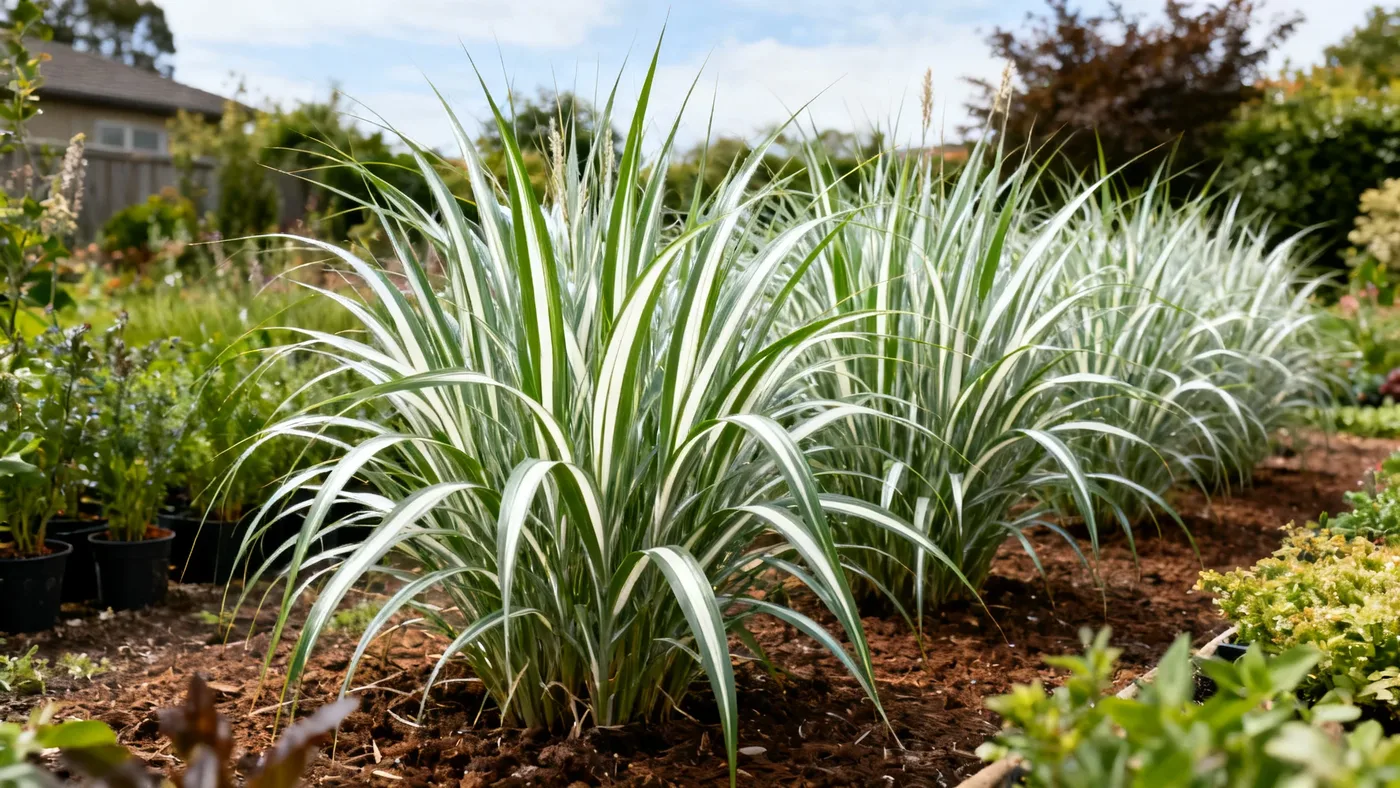
Do You Need to Fertilize Silver Feather Grass? A Simple Guide
Silver Feather Grass is one of the easiest ornamental grasses to grow, and that simplicity extends to feeding it. If you're wondering whether this plant needs fertilizer, the short answer is: probably not as much as you think. In fact, overfeeding is one of the most common mistakes people make with Miscanthus sinensis 'Silberfeder', leading to weak stems that flop over and a less attractive plant overall.
This guide walks you through what Silver Feather Grass actually needs, when to feed it, and what to watch out for so you grow a sturdy, upright specimen instead of a floppy one.
Is Fertilizer Really Necessary?
Silver Feather Grass is classified as a light feeder. This means it does not require heavy fertilization to thrive. Most established plants in average to medium soil will grow vigorously without any fertilizer at all. If your soil is reasonably fertile or has been amended with compost, your grass will likely perform well on its own.
A light spring feeding can be helpful in two situations: when the plant is freshly planted (establishing roots), or when your soil is genuinely poor (sandy, depleted, or lacking organic matter). In these cases, a balanced fertilizer applied once at the start of the growing season can give the plant a gentle boost.
The critical rule: more fertilizer does not equal a better plant. Excess nitrogen or overly rich soil causes weak, floppy stems that cannot support the weight of the plumes and foliage. If you want an upright, well-structured specimen, restraint is your friend.
Understanding Silver Feather Grass Nutrient Needs
Once established, typically after 2 to 3 growing seasons, your Silver Feather Grass needs no supplemental feeding. The plant's foliage and roots recycle nutrients seasonally. When you cut the grass back each late winter, you leave behind stubble and organic matter that slowly decompose and return nutrients to the soil.
If you add compost around the base annually or allow fallen leaves to remain as mulch, you create a natural system that sustains the grass without additional fertilizer. A balanced formula such as 10-10-10 or 5-10-10 is appropriate if you choose to fertilize. Avoid high-nitrogen lawn products, as these promote excessive leaf growth at the expense of stem strength.
Materials and Tools You Will Need
- Balanced fertilizer (10-10-10 or 5-10-10), granular or slow-release form preferred
- Measuring cup
- Watering can or garden hose
- Work gloves
- Compost or aged manure (optional, for soil amendment)
Step-by-Step Fertilizing Instructions
For a Newly Planted Silver Feather Grass (First Growing Season)
- Wait until growth emerges. Do not fertilize at planting time. Wait 3 to 4 weeks after planting in spring, until you see new shoots emerging from the crown. The plant needs this time to establish roots in its new location.
- Measure out a light application. Apply no more than 1/4 cup of balanced fertilizer per plant, following the package label if it specifies differently. Less is always better; you can adjust next year if growth seems slow.
- Scatter granules around the base. Distribute fertilizer in a circle around the plant, staying 3 to 4 inches away from the crown to avoid direct contact with new shoots. Spread evenly in a band pattern.
- Water thoroughly. Water deeply after applying fertilizer to activate it and push nutrients into the soil. This step also prevents granules from burning foliage in hot sun.
- Do not apply again that season. One light feeding in early to mid-spring is enough for a young plant. Fall or late-summer applications can promote tender growth that winter cold may damage.
For an Established Silver Feather Grass (Year Two and Beyond)
- Skip fertilizer if growth looks healthy. If your plant is growing upright and blooming reliably, with no signs of nutrient deficiency (yellowing leaves or poor plume formation), do not fertilize. Your plant is fine on its own.
- Fertilize only if needed. If the plant appears weak or pale after cut-back, apply 1/4 cup of balanced fertilizer in early spring as new growth begins.
- Apply before rainfall. Time your spring feeding a day or two before rain is forecast, or water in thoroughly after application. This ensures fertilizer dissolves into the soil.
- Avoid late-season feeding. Do not fertilize after mid-summer. Nitrogen added in late summer or fall can soften stems and reduce winter hardiness.
- Monitor stem strength. If stems become noticeably weak or bend over, stop fertilizing immediately. Flopping is a sign of too much nitrogen, not too little.
Tips for Success
Lean soil is often fine. Silver Feather Grass thrives in average soils and tolerates clay and loam well. You do not need aggressive amendments or heavy feeding to grow a good plant. A simple compost mulch once or twice a year may be all that is needed.
Compost is often better than synthetic fertilizer. Applying 1 to 2 inches of well-aged compost around the base in spring (staying back from the crown) feeds the plant slowly and improves soil structure. This approach is gentler and more sustainable than chemical products.
One spring application is the standard. Most gardeners who do fertilize give Silver Feather Grass a single light feeding in early spring and nothing else for the rest of the year. This simplicity is one reason the plant is so popular.
Do not fertilize stressed plants. If your grass has just been transplanted or damaged by weather, let it recover for a season before feeding. A stressed plant cannot use fertilizer efficiently and may decline further.
Common Mistakes to Avoid
Using lawn fertilizer. High-nitrogen products formulated for lawn greening (such as 20-0-0 or 20-5-5) cause ornamental grasses to produce soft, weak stems. Stick to balanced products, or skip fertilizer altogether.
Fertilizing in late summer or fall. Any feeding from mid-summer onward promotes tender growth and can reduce cold hardiness in zones 5 and 6. Spring is the only appropriate time to feed Silver Feather Grass.
Over-applying to force growth. You cannot rush this grass into maturity with extra fertilizer. The plant reaches full size (6 to 8 feet including plumes) on its own timeline, roughly 2 to 3 years after planting. Over-fertilizing simply creates weak stems.
Skipping the watering step. Granular fertilizer needs to dissolve into the soil to be effective. If you apply fertilizer but don't water, the granules may waste away or burn foliage in direct sun.
Expected Results
With proper (or minimal) fertilizing, you can expect your Silver Feather Grass to develop strong, upright stems capable of supporting its silvery plumes without flopping. Foliage should remain green and healthy without visible signs of nutrient stress. Flower plumes emerge reliably in late summer (typically August through October, depending on your region) and are full and attractive.
If you have been over-fertilizing and see weak, drooping stems, reduce or eliminate fertilizer application. It typically takes one full growing season of restraint for the plant to recover and build stronger stems.
When to Check Your Local Extension Service
If you suspect your soil is truly deficient in key nutrients (nitrogen, phosphorus, or potassium), consider a soil test through your local cooperative extension office. A soil test tells you exactly what your soil has and what (if anything) it needs. This is much more reliable than guessing and prevents the costly mistake of over-fertilizing.
Quick Reference: Silver Feather Grass Fertilizing Checklist
| Situation | Action | Timing | Amount |
|---|---|---|---|
| Newly planted (first year) | Apply light balanced fertilizer | Early to mid-spring, after shoots emerge | 1/4 to 1/2 cup per plant |
| Established, good growth | Skip fertilizer | N/A | None needed |
| Established, weak growth or pale foliage | Apply light balanced fertilizer once | Early spring only | 1/4 cup per plant |
| Stems flopping or weak | Stop fertilizing immediately | N/A | Reduce or eliminate |
| Poor soil (sandy or depleted) | Add compost or aged manure | Spring or fall | 1 to 2 inches around base |
| Any time from mid-summer onward | Do not fertilize | Avoid mid-summer to fall | None |
Final Thoughts
Fertilizing Silver Feather Grass is optional for most gardeners in most situations. If your plant is growing upright and blooming reliably, skip the fertilizer and enjoy your low-maintenance ornamental grass. If you do choose to feed, a single light application in spring of a balanced formula is all the plant needs. This grass actually performs better when left alone rather than over-indulged. For a complete overview of care and cultivation, see our complete growing guide.