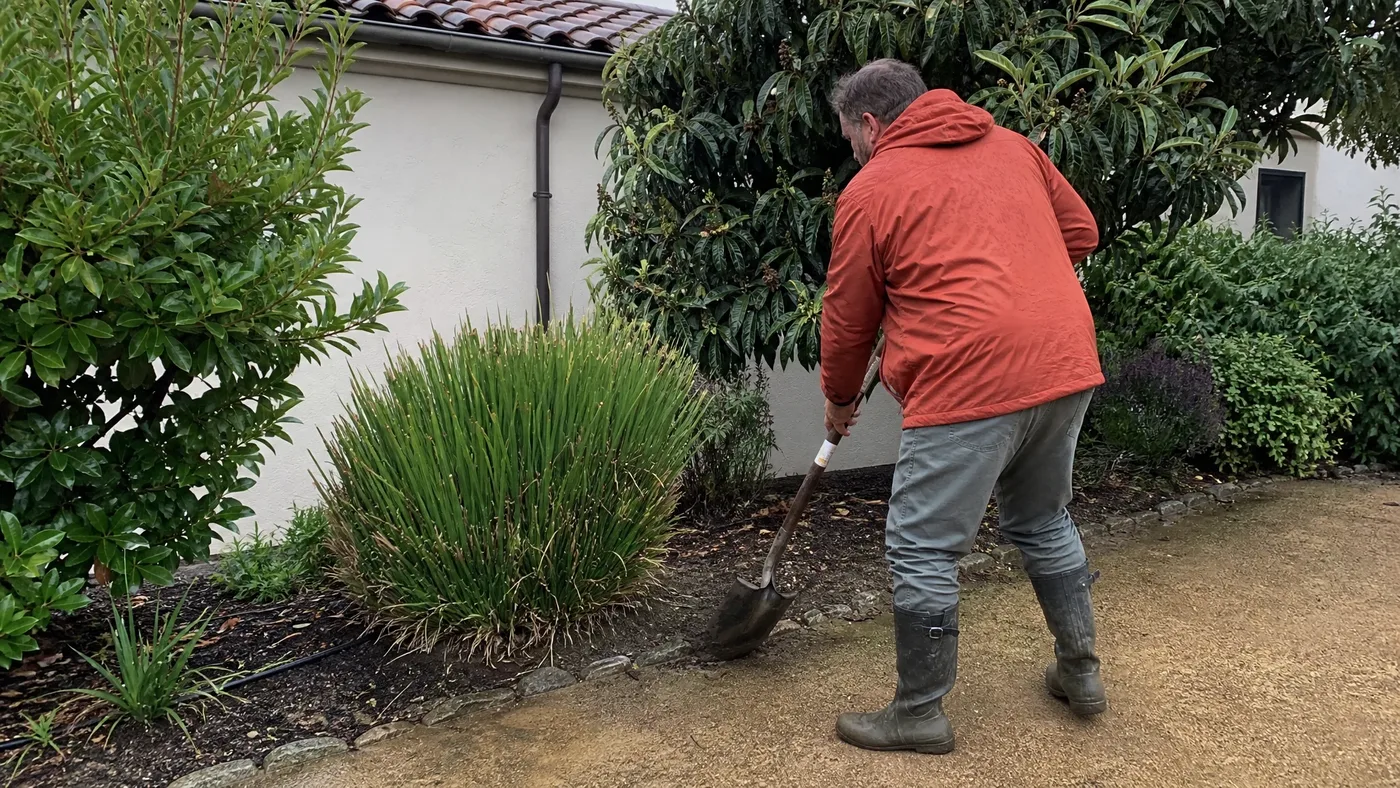
Is Silver Feather Grass Patented? Dividing and Sharing Rules
Most gardeners assume a named plant with a fancy tag must be protected, so a bucket of divisions at a plant swap comes with a nervous question: is this allowed? One of the most common questions we get is exactly that, usually whispered over a clump of Silver Feather. What we see instead is that this grass is one of the easy cases.
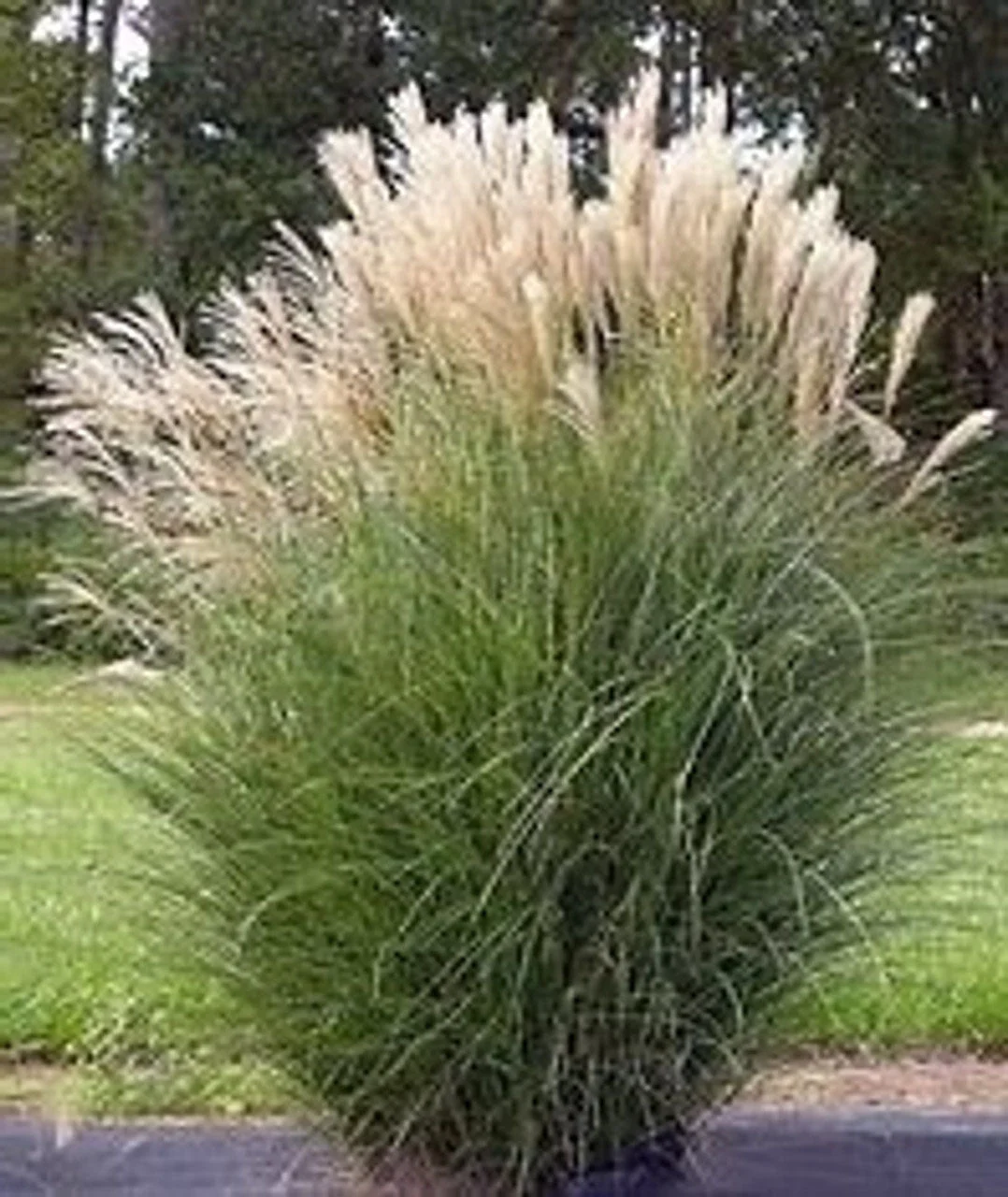
'Silberfeder' is a German cultivar that has been in gardens for decades, long enough that no patent term can still apply to it. Dividing is also the way this plant is meant to be propagated, and a healthy clump hands you more pieces than you can plant.
This article talks about whether Silver Feather Grass is patented, when to divide it, and the rules for giving, selling and labeling divisions, and it answers the questions customers ask us most. Read on to learn how to read a plant tag, what to write on a label, and how to spot a protected grass before you copy it.
Is Silver Feather Grass Patented? Check the Tag First
The legal side is short. A U.S. plant patent lasts 20 years from the filing date and cannot be renewed. While it lasts, you cannot legally propagate the plant by division or cuttings without permission from the patent holder. Once it expires, anyone may propagate and sell the cultivar.
'Silberfeder' carries a German name and has been grown for decades, which is far longer than any 20-year term. Whatever protection a breeder might once have held would be long gone. We know of no patent or breeder's-rights claim on it, and the plants sold as Silver Feather Grass are that same old cultivar.
Even so, treat the tag as your evidence. A tag reading Miscanthus sinensis 'Silberfeder' or Silver Feather, with no PP number, no PBR and no "propagation prohibited" line, tells you the plant is in the clear. If a tag carries any of those marks, you are holding a different plant or a newer selection, and the rules in the later sections apply instead.
We are growers, not lawyers. If you plan to sell at any real scale, ask your local extension service or an attorney. For a swap bucket, the answer is simple: treat Silver Feather Grass as unpatented, confirm the tag, and carry on.
Deciding Whether to Divide Your Silver Feather Grass
Divide when the clump tells you to, not when the calendar does. Extension guidance for maiden grass says to divide every third or fourth year to keep the center from dying out, and Silver Feather is a maiden grass. A hollow, brown middle with a ring of green around it is your signal.
Size is the other trigger. A mature clump reaches 7 to 8 feet tall and 4 to 6 feet wide, so a big one can crowd its neighbors before the center ever fails. If the plumes are thinning or the clump is shoving into a path, divide. If it is young, growing at its medium pace and still full in the middle, wait.
Pick the Right Moment
We tell customers to divide in early spring, right when you would cut the stems back anyway and before new growth starts. Cut the old stems first and then dig, so you are never fighting a wall of dry foliage. Our guide to dividing Silver Feather Grass step by step covers the digging and replanting, and the cut-back guide covers the stems.
If You Have No Clump Yet
If you do not own a clump yet, start with one of ours and you will have your own supply of divisions once it fills out. The call is easy to make. If the center is dying or the clump has outgrown its spot, go, and do it next early spring. Otherwise, wait and leave it alone.
Giving Silver Feather Grass Divisions to Friends
Giving divisions away is the easy part. Because no patent applies, you can pass pieces to neighbors, relatives and swap tables freely, with no permission to ask and no paperwork. The only real job is making sure each piece lands somewhere it will thrive.
What to Hand Over
Give each person a chunk with plenty of roots and several growing stems, and trim the foliage to a short stub so the roots are not feeding tall leaves. Keep the roots damp in the bucket and tell the recipient to plant as soon as they get home. A division left sitting dry in a hot trunk is the quickest way to a disappointed friend.
What to Tell the Recipient
A short note beats a long lecture. Here is what we would put on it:
- Plant it in full sun, which means six or more hours of direct sun a day. Full sun keeps the clump in its best form.
- Leave room for a clump that ends up 4 to 6 feet wide, not the size of the piece in the bucket.
- Check the zone first. Silver Feather is listed hardy in zones 4a to 9b, and our hardiness zone guide helps borderline gardeners decide.
- Keep the division watered until it has rooted in.
Recipients often ask whether it will take over their yard. The documentation of invasiveness concerns the species, not the cultivars, and Silver Feather is considered sterile and does not spread aggressively. The safe approach: give freely, label every piece, and send the note along.
Selling Divisions of Silver Feather Grass
Selling is fine. The Iowa State guidance is plain that once a patent expires, anyone may propagate and sell the cultivar, and 'Silberfeder' is well past that point. Customers usually ask us whether a few pots at a church sale count as selling. They do, and the answer is the same: go ahead, with an honest label.
What you need to watch is not patent law. The species, Miscanthus sinensis, is listed as invasive in North Carolina, and other states may have their own rules on Miscanthus. Ask your state department of agriculture or local extension office whether any restriction or permit applies where you live, and whether selling plants in general takes one.
Quality is the second thing to watch. Sell only divisions cut from a clump that is healthy and true to name, with a solid mass of roots on each piece. Extension sources say rust occasionally shows up on the foliage of this species, so skip any clump that looks spotted or tired, and do not pass its troubles on to a buyer.
Last, sell it under its real name. Do not borrow the name of a patented cultivar to make a pot look more exciting, and do not call it something it is not. The choice: sell it, label it accurately, and check your local rules before the first sale.
Labeling What You Share
Labels matter more for this grass than most, because Silver Feather is one cultivar of a species that behaves very differently. The wild type usually sets a significant amount of airborne seed, while the cultivar is considered sterile. A bucket of unlabeled grass hides that difference completely.
Write the full cultivar name, 'Silberfeder', in quotes, with Silver Feather Grass beside it. Add the date you divided it and a short note that it wants full sun. Use a pencil or a paint marker on a plastic tag, since ink on paper does not survive a wet spring.
Divide only from the clump you planted, never from stray seedlings growing nearby. A seedling may be the species, and the species is the plant with the invasive record. Taking pieces from the labeled clump itself keeps the name honest all the way down the chain.
Avoid labeling the plant "maiden grass" alone. That name covers a big group of Miscanthus, patented ones included, and our guide on Silberfeder and maiden grass sorts out the names. Put both the cultivar name and Silver Feather Grass on every label.
When a Different Grass Is Protected
This guide gives the all-clear for one plant only. Many newer Miscanthus selections are protected, and the brief version is that 'Little Zebra' and 'Lady in Red' both carry plant patents. A look-alike at the swap table may be a very different case, and our comparison of how Silver Feather compares with other Miscanthus shows how much variety there is.
Protection leaves marks on the tag, and this table shows what each one means:
| What You See | What It Means | What to Do |
|---|---|---|
| PP and a number | A U.S. plant patent, lasting 20 years from filing | Do not divide or take cuttings to share without permission |
| PBR | A breeder's claim that works much like a patent | Treat it like a patent and ask first |
| PVP | USDA Plant Variety Protection, 20 years for most plants and 25 for trees and vines | Same rule, ask the holder |
| "Propagation prohibited" | The seller is telling you outright | Buy a second plant instead of dividing |
| Plain name, no marks | Usually no protection, though an old tag proves nothing | Look up the cultivar or ask the seller |
If a plant came without a tag, do not guess. Ask the person who gave it to you what it is, or leave the dividing for something you can name. The choice: copy a plant only when you can read its status, and when in doubt, buy another one.
Settling Your Plan for Silver Feather Grass
Here is the plan in order. Check the tag on your clump and confirm there is no PP, PBR or propagation line. Divide in early spring once the center hollows out or the clump outgrows its spot, give pieces away freely with a label and a short note, and sell only with honest names and a check of your local rules.
The one-sentence rule to carry to the next plant swap: this one is free to share, check the tag on everything else.
Silver Feather Grass
Nursery-grown Silver Feather Grass in sizes from Quart Plant, shipped to your door.
From $49.49
Shop Now →Silver Feather is raised in our rows with a full day of sun and ground that stays evenly moist yet never holds standing water. Each grass, tree and shrub we sell is a top-quality plant grown and sold from our own farms, so you know exactly what you are getting. If you would like a clump you can divide and share with confidence, begin with one of ours.