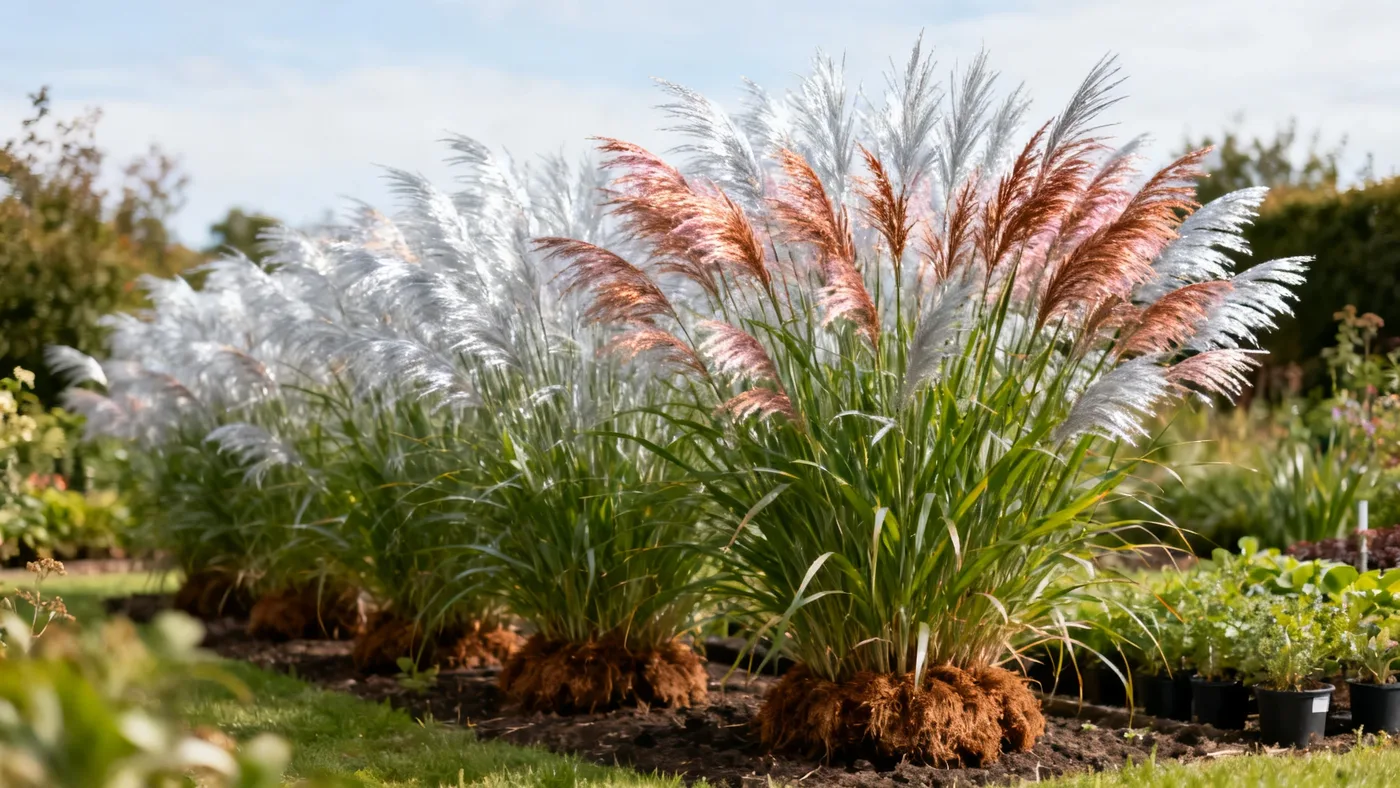
Silver Feather Grass Bloom Time: Plumes From Summer to Fall
Right now, if you have a mature Silver Feather Grass in your garden, you're watching one of the most spectacular ornamental displays of the year unfold. Late summer and fall is when this grass earns its name. The silvery-pink plumes that rise above the foliage are the payoff for months of steady growth, and understanding their timing means you can plan around them, combine them with other fall bloomers, and make the most of their long season.
When Silver Feather Grass Actually Blooms
Silver Feather Grass typically begins flowering in late summer, roughly August through October, though the exact timing depends on your climate zone. If you're in the Upper South or northern zones (5 to 7), expect plume emergence in late August or early September. In warmer zones (8 to 9), flowering may not peak until September or October. This extended window means you have a long window to enjoy the display before frost.
The first sign of bloom is subtle. You'll notice the top of the plant starting to elongate, and tight, furled flower spikes emerging from within the foliage canopy. These spikes gradually unfurl into the full, feathery plumes gardeners expect from this cultivar.
The Plume Display: Color and Progression
The plumes begin as silvery-pink, almost coppery tones, and gradually mature to silvery-white over several weeks. This color shift is gradual, so at peak season you'll have both colors present on the same plant, creating depth and visual interest. The plumes themselves rise 2 to 4 feet above the foliage clump, so a mature plant standing 6 to 8 feet tall in full bloom becomes a striking focal point.
The foliage underneath remains green with its characteristic white midrib, providing contrast. Once temperatures drop in late fall, the entire plant fades to tan and gold, and the dried plumes shift toward a pale silvery-white that persists well into winter if you leave the stems standing.
What Affects When and How Your Grass Blooms
Not every Silver Feather Grass will bloom with equal vigor. Several factors influence whether you get a full, impressive display or a sparse one.
Sunlight is the single most important factor. Full sun promotes upright, robust stems and reliable, abundant plumes. Plants in light or part shade may still flower, but they often develop weaker stems and produce fewer plumes. If your grass is flopping in summer, shade is likely a contributing cause.
Soil fertility can actually work against you. A common mistake is feeding the plant too heavily or planting it in overly rich soil. Excess nitrogen encourages lush foliage growth but weakens the stems, leading to flopping before the plumes even fully develop. Silver Feather Grass is a light feeder. If your plant is strong and healthy, a balanced spring fertilizer is optional. Often, no feeding at all is needed once the plant is established.
Age and maturity matter. A newly planted Silver Feather Grass will not bloom reliably in its first or second year. Plan for roughly 2 to 3 years from planting before you see full, mature plume displays. Year one focuses on root establishment, and visible growth is slower than it will be later.
Water consistency in the first season supports root development, which sets the stage for reliable blooming in years two and three. Once established, the plant is drought tolerant, so you won't need to baby it long-term.
Bloom Time by Zone: What to Expect
| USDA Zone | Typical Bloom Start | Peak Bloom | Notes |
|---|---|---|---|
| 5-6 | Late August | September | Earlier season; frost by mid-October; leave standing for fall/winter structure |
| 7 | Early September | Late September to Early October | Longer frost-free window; plumes remain elegant into November |
| 8-9 | Mid-September | October | Latest bloom; plumes can persist into early winter if not pruned |
Extending Your Bloom Season With Companion Plants
Silver Feather Grass plumes pair beautifully with late-season bloomers that bridge summer and fall. Rudbeckia (Black-eyed Susan), Echinacea (Coneflower), and Aster are natural companions. Their warm yellows, pinks, and purples contrast with the silvery plumes and keep your border dynamic through October.
Sedum is another excellent neighbor. Low-growing sedums flower at the feet of the grass, and their dusty reds and coppers harmonize with the maturing plume tones. The combination creates a long, layered bloom season in a single planted area, and the sedums will hold their structure well after the grass is cut back in late winter.
Harvesting and Drying the Plumes
If you want to use Silver Feather Grass plumes in cut or dried arrangements, harvest them once they've fully emerged but while the silvery-pink color is still visible. Wait until mid-morning when any dew has dried, and cut the stems at ground level or below the first joint. They'll dry naturally in a vase with no water, and they hold their form and color for months.
Dried plumes are popular in fall and winter arrangements, and many gardeners extend the season by cutting and hanging bundles indoors. This also means your garden display ends earlier, so if you want maximum landscape impact, leave most stems standing and harvest only a few for arrangements.
Caring For Your Plant During the Bloom Season
During bloom, your plant needs very little intervention. No pruning or deadheading is necessary. Water during extended dry spells if the plant was newly planted or during its first or second growing season. Established plants are drought tolerant, so summer rain is usually enough.
Monitor for any signs of flopping or weak stems. If stems start to bend over before plumes fully emerge, weak soil fertility or excess shade is likely the culprit. You can stake or cage the plant to support it, though this is better prevented by correcting the underlying cause (more light, less fertilizer) in future seasons.
Leave the plumes and foliage standing through fall and winter. They provide structure, movement in the wind, and wildlife habitat. Birds appreciate the seed heads and dried foliage for nesting material and cover during cold months.
When to Cut Back and Prepare for Next Season
Cut your Silver Feather Grass back hard to about 4 to 6 inches in late winter or early spring, just before new growth emerges. In colder zones, this is typically late March or April. In warmer zones, it can be earlier, even late February. Don't cut in fall, because the standing stems provide winter interest and protect the crown from cold.
Once you've cut the old foliage back, new growth will emerge quickly in spring, and the plant will begin its annual cycle again. For more detailed year-round care, see our complete growing guide.
Quick Reference: Bloom Time Checklist
- Expect plume emergence August through October, depending on zone (earlier in zones 5-6, later in zones 8-9)
- Plumes start silvery-pink and mature to silvery-white over weeks
- Full sun is essential for robust flowering; part shade may reduce plume production
- Avoid overfertilizing; this causes weak, floppy stems
- Plan for 2 to 3 years after planting to see full, mature plume displays
- Mature plants stand 6 to 8 feet tall in bloom, with plumes rising 2 to 4 feet above foliage
- Leave plumes standing through fall and winter for structure and wildlife habitat
- Cut back hard to 4 to 6 inches in late winter or early spring before new growth emerges
- Pair with late-season bloomers like Rudbeckia, Echinacea, and Sedum for extended color
- Harvest plumes in mid-morning once fully emerged for cut or dried arrangements