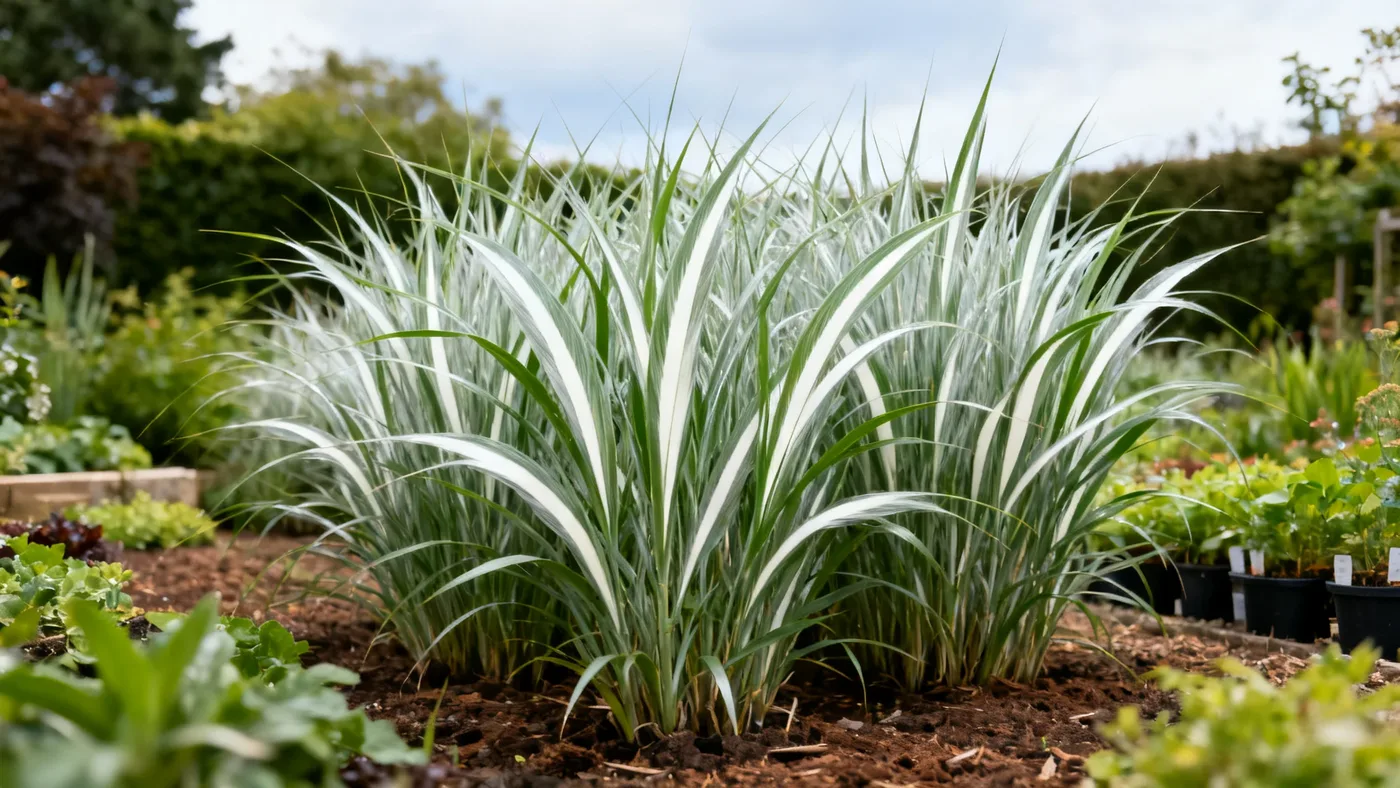
Is Silver Feather Grass Drought Tolerant? Heat and Dry Spells
Many gardeners plant Silver Feather Grass expecting it to survive without water, only to watch it struggle through its first summer. The honest answer is nuanced: Silver Feather Grass (Miscanthus sinensis 'Silberfeder') is drought tolerant, but only after it's been established. A young plant needs consistent moisture during its first growing season. Once roots develop, this ornamental grass handles dry conditions far better than most perennials. This guide walks you through establishing your Silver Feather Grass so it becomes the low-maintenance, heat-loving plant you bought it to be.
Understanding Drought Tolerance in Silver Feather Grass
Drought tolerance in Silver Feather Grass develops over time. The plant reaches good drought tolerance after 2 to 3 growing seasons, once its root system has expanded deep into the soil. A newly planted specimen is not drought tolerant; it's a shallow-rooted perennial still building its foundation. This distinction matters because it affects how you water and whether your plant survives its first year.
Silver Feather Grass is a warm-season ornamental grass native to East Asia. Its ability to handle heat and dry spells comes from deep roots and a dense, upright-to-arching clump that minimizes water loss through foliage. When you plant one in full sun and allow its roots to establish, it becomes genuinely drought tolerant. Part shade or overly rich soil can reduce that tolerance and cause flopping, which we'll address below.
When Your Plant Needs Water: The First Year
Establishment is the critical period. During your Silver Feather Grass's first growing season, it needs consistent moisture, especially if you plant it in spring (the recommended planting window). "Consistent" does not mean waterlogged; it means the soil should not dry out completely for weeks at a time. Roots are shallow in year one, typically occupying only the top 8 to 12 inches of soil. A mature clump reaches 3 to 4 feet wide and sends roots much deeper, but it takes time to build that network.
In the second and third years, the plant starts to transition. Growth accelerates, gaining roughly 1 to 3 feet of height per season once established. Deeper roots access water the surface cannot. By year three, your Silver Feather Grass should handle moderate dry spells without supplemental watering, provided it's in full sun with well-drained soil.
Step-by-Step Guide to Establishing Drought Tolerance
Materials You'll Need
- A young Silver Feather Grass plant (typically sold in a quart or #1 container)
- Well-draining soil or compost to amend the planting hole
- 2 to 3 inches of organic mulch (shredded bark, aged compost, or straw)
- A soaker hose or drip irrigation setup (optional but helpful)
- A watering can or hose with a gentle spray
- Balanced spring fertilizer (optional, see step 5)
Numbered Steps
Step 1: Choose the Right Location
Silver Feather Grass requires full sun for best flowering and upright habit. Choose a spot that receives at least 6 hours of direct sunlight daily, ideally 8 or more. Partial shade reduces drought tolerance, causes the stems to flop, and delays or reduces bloom. Avoid low spots where water collects, even if they seem perpetually moist; the grass dislikes waterlogged conditions. Well-drained soil is essential. If your soil is heavy clay, amend it with compost before planting to improve drainage.
Step 2: Prepare the Soil
Dig a hole roughly twice as wide as the root ball and just as deep. Silver Feather Grass adapts to most well-drained soils, including clay and loam. The soil pH should fall between 5.5 and 7.5; most gardens fall within this range. If you're planting in heavy soil, mix in 30 percent compost or aged bark into the backfill so water drains but doesn't bypass the root zone too quickly. Avoid planting in overly rich soil or adding fresh nitrogen fertilizer at planting time. Excess nitrogen encourages weak, floppy stems and delays the development of strong root architecture. Light feeders like this grass do better in moderate soil.
Step 3: Plant in Spring After Last Frost
Spring planting (after your region's last frost date) gives the grass a full growing season to establish roots before winter dormancy. Set the plant at the same depth it was growing in its container; do not bury the crown. Backfill the hole and water gently to settle the soil. Space plants 3 to 4 feet apart if you're mass planting or creating a screen.
Step 4: Mulch and Water Immediately
Apply 2 to 3 inches of organic mulch around the base, keeping it a few inches away from the stem to prevent rot. Mulch moderates soil temperature, reduces evaporation, and keeps weed competition down while roots are shallow. Water thoroughly after planting to firm the soil and eliminate air pockets. The first watering is your most important one.
Step 5: Establish a Consistent Watering Schedule
During the first growing season, water deeply once or twice per week, depending on rainfall and heat. Check the soil 2 to 3 inches below the surface. If it feels dry, water. If it's moist, wait. Consistent moisture is the goal, not saturation. A soaker hose delivers water directly to the root zone without waste. Water at the base of the plant early in the morning to minimize disease risk. Avoid overhead watering when possible, as Silver Feather Grass leaves can suffer from fungal spots in prolonged humid conditions.
Step 6: Skip or Minimize Spring Fertilizer
Silver Feather Grass is a light feeder. A balanced spring fertilizer is optional; many gardeners skip it entirely. If your soil is poor, a light application of balanced fertilizer (equal nitrogen, phosphorus, potassium) in spring can help. Do not repeat in summer or fall. Excess nitrogen delays drought tolerance, weakens stem architecture, and can cause flopping. Let the plant focus on root development, not leafy growth, during year one.
Step 7: Monitor and Adjust Through Year Two and Three
By the second season, watering can become less frequent. Roots are deeper now. Water during dry spells, but the plant can tolerate occasional missed watering. By year three, the clump reaches near its mature size of 3 to 4 feet wide (occasionally to 5 feet). Deep roots now give the plant genuine drought tolerance. You may stop supplemental watering altogether unless you live in an extremely arid region or experience an unusual drought.
Managing Heat and Dry Spells Once Established
After the establishment window closes, Silver Feather Grass thrives on neglect. Heat does not stress this plant; it loves it. The warmer the growing season, the more vigorous the growth and the more dramatic the bloom. Silvery-pink to coppery plumes emerge in late summer (August through October depending on your region) and mature to silvery-white, providing ornamental interest well into winter.
Established plants can handle moderate dry spells. If your region receives average annual precipitation and the grass is in full sun with well-drained soil, supplemental watering is rarely needed. In truly arid climates or during severe drought, occasional deep watering (once every 3 to 4 weeks) supports continued growth and flowering. Deep watering encourages deep roots; frequent light watering encourages shallow, vulnerable roots.
Salt tolerance is moderate. If you live near the coast or use salt-based de-icers in winter, Silver Feather Grass can handle these conditions but may show some leaf damage. It is not the best choice for salt-spray zones, though it performs far better than many ornamental grasses.
Common Mistakes to Avoid
Planting in Shade or Part Shade reduces drought tolerance and causes flopping. Full sun is non-negotiable if you want upright habit and reliable flowering. A plant that flops is often sun-starved, not just weak-stemmed.
Overwatering Year Two and Beyond defeats the purpose of drought tolerance. Once the plant is established, reduce watering dramatically. Overwatering keeps roots shallow and dependent on frequent moisture, the opposite of what you want.
Adding Excess Nitrogen or Planting in Rich Soil causes soft, floppy growth and can delay drought tolerance development. Keep fertilizer minimal and resist the urge to improve your soil too much. This grass thrives in moderate, even lean, soil.
Expecting Year-One Drought Tolerance is the most common misunderstanding. A first-year plant is not yet drought tolerant. Don't assume it is simply because the species is drought tolerant overall. Water it consistently that first summer, and the payoff is years of minimal maintenance.
Planting in Late Summer or Fall gives roots less time to establish before winter dormancy. Spring planting allows a full growing season of root development.
What to Expect: Timeline and Results
Year One: Slow, steady growth. The plant gains height but focuses energy on root development. Watering is frequent and non-negotiable. You may be disappointed by how little visible height the clump adds. This is normal. Roots are building underground.
Year Two: Faster growth. The plant gains roughly 1 to 3 feet of height during the growing season, depending on climate and soil fertility. Watering needs decline. You may see the first substantial plume display, though it might be lighter than what the mature plant produces.
Year Three: Near maturity. The clump reaches its full width of 3 to 4 feet and typical mature height of 6 to 8 feet including plumes. Drought tolerance is well established. Watering needs are minimal in most climates. The plume display is full and consistent. This is when the plant truly earns its place in your landscape.
Years Four and Beyond: The plant continues to mature and can live 10+ years or longer in the same spot. Periodic division (every 3 to 4 years) can rejuvenate an aging clump and prevent the center from dying out. With that single spring pruning (cutting back to 4 to 6 inches in late winter before new growth emerges), Silver Feather Grass requires minimal maintenance.
Quick Reference: Drought Tolerance Timeline
| Season/Year | Watering Needs | Drought Tolerance | Expected Height | Plume Display |
|---|---|---|---|---|
| Year 1, Spring to Fall | Consistent, 1-2x per week | Low (root system shallow) | Slow gains; minor visible growth | Light or none |
| Year 2 | Moderate; reduce in summer | Emerging (roots deepening) | 1-3 ft gain during season | Moderate, may be lighter than mature |
| Year 3 | Minimal; full sun, well-drained soil may need none | Good (well established) | Full mature size: 6-8 ft with plumes; 3-4 ft wide | Full, consistent silvery-pink to silvery-white |
| Year 4+ | None in most climates; occasional deep water in severe drought | High (2-3 seasons complete) | Stable at mature size | Reliable annually, August through October |
Silver Feather Grass is drought tolerant, but only after a patience investment. That first summer requires attention; years two and three show progress; by year three you have a genuinely low-maintenance plant that shrugs off heat and dry spells. For more detailed care instructions, see our complete growing guide to Silver Feather Grass.